On June 24, the 3rd Joint Symposium between Tianjin Medical University Cancer Institute and Hospital (TMUCIH) and King’s College London (KCL) was successfully held in Tianjin. Prof. Claire Wells, Associate Dean for Doctoral Studies in the Faculty of Life Sciences & Medicine at KCL, led a delegation of specialists to Tianjin for the event, covering expertise in breast cancer genetics, molecular medicine, systems cancer immunology, and haematology. Attendees from TMUCIH included directors, principal investigators (PIs), professors, and researchers from the Pancreatic Cancer Prevention and Treatment Center, Department of Breast Cancer II, Cancer Molecular Diagnostic Core, Head and Neck Cancer Department, Lymphoma Medical Oncology, and other relevant departments.
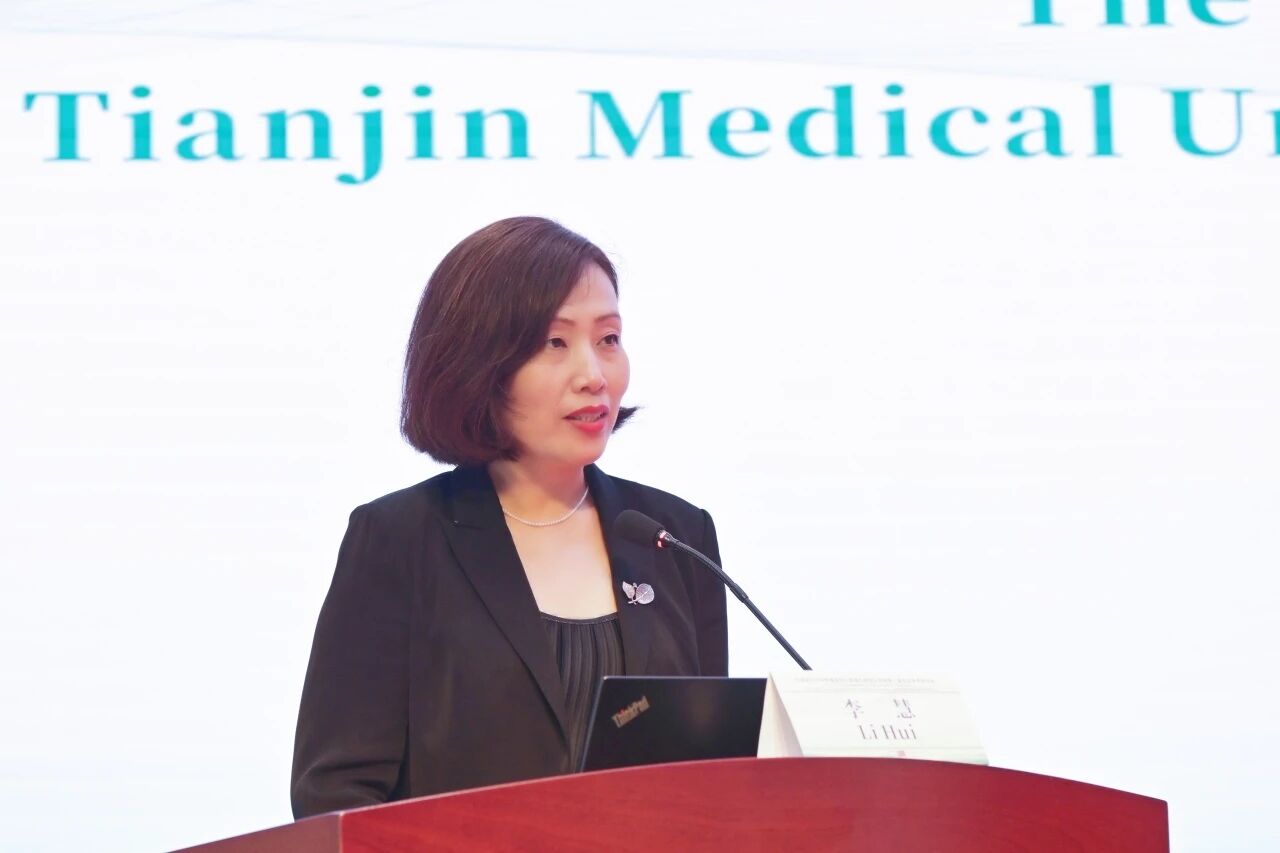
Prof. Li Hui, Vice President of TMUCIH presided over the symposium.
Session One
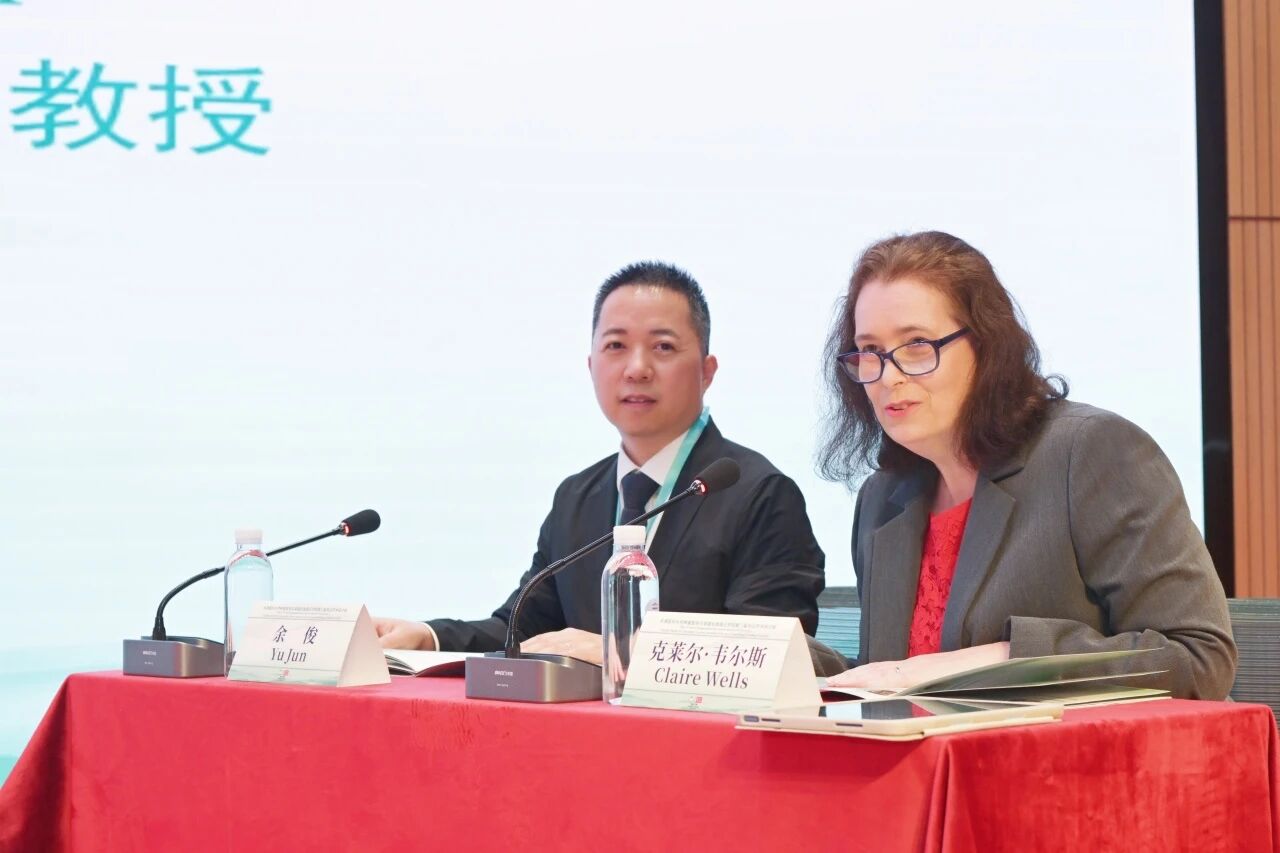
Session One was co-chaired by Prof. Claire Wells, Associate Dean for Doctoral Studies within the Faculty of Life Sciences & Medicine at KCL, and Prof. Yu Jun, Director of the Pancreatic Cancer Treatment and Prevention Research Center and Clinical Trail GCP Center at TMUCIH.
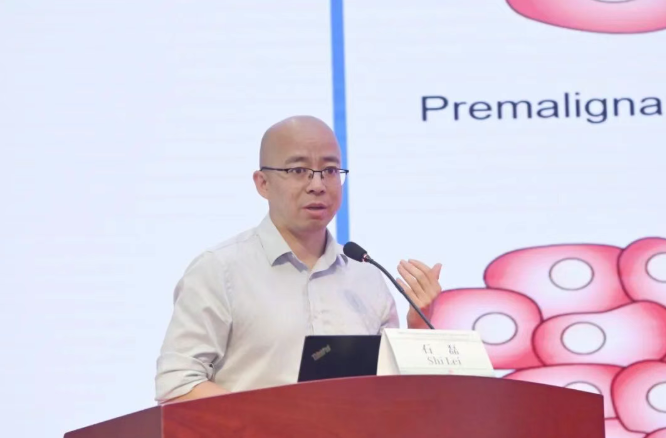
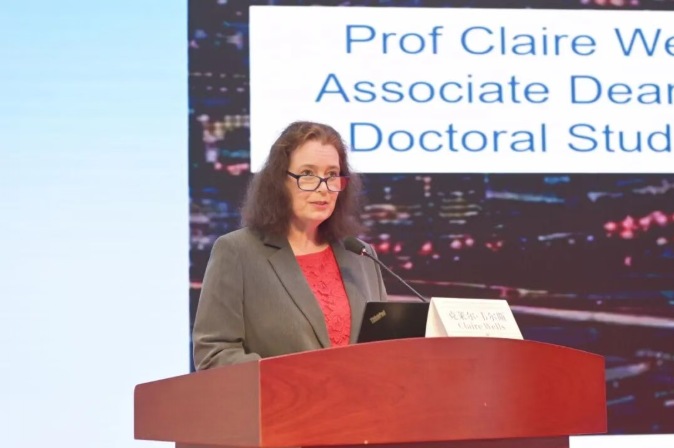
Prof. Shi Lei from Tianjin Medical University and TMUCIH and Prof. Claire Wells delivered keynote presentations entitled R-loop Homeostasis Regulation and Tumor Targeting and Targeting PAK Activity in Cancer Progression respectively.
Session Two
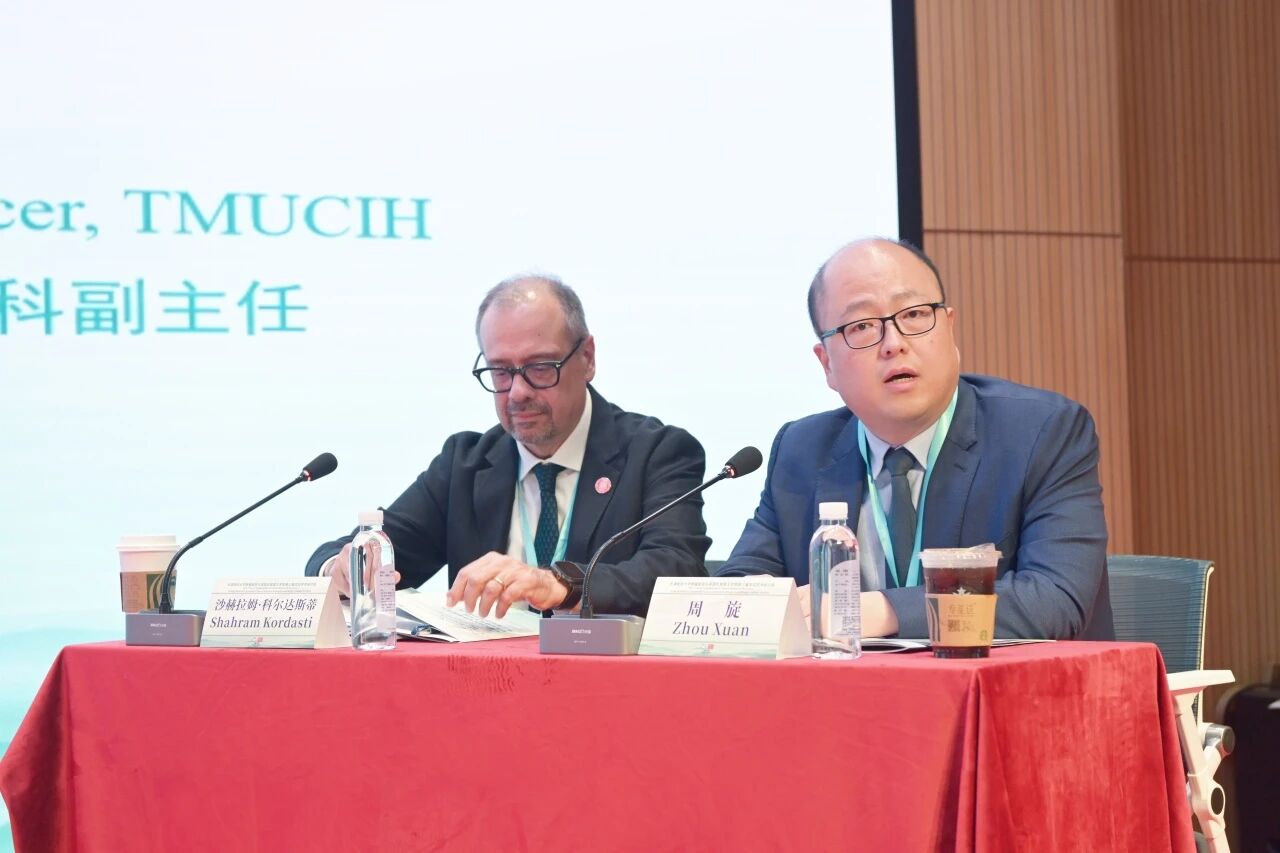
Session Two was co-chaired by Prof. Shahram Kordasti, Research Lead Clinical Trail GCP Center, KCL, and Prof. Zhou Xuan, Deputy Director of Head and Neck Cancer, TMUCIH.
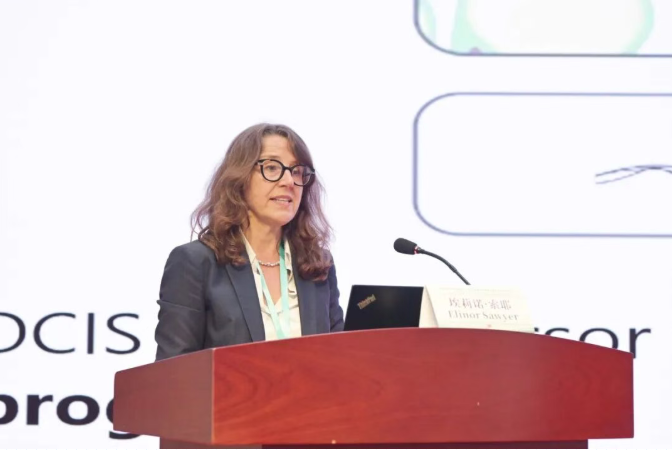
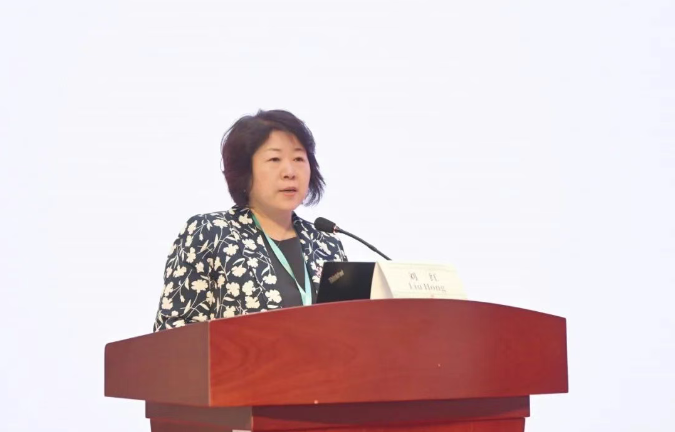
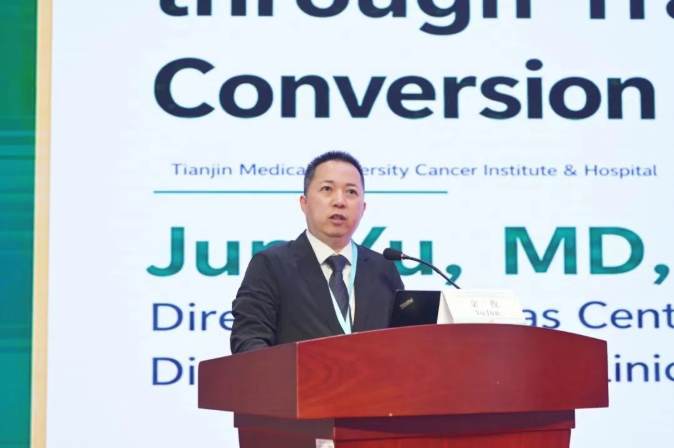
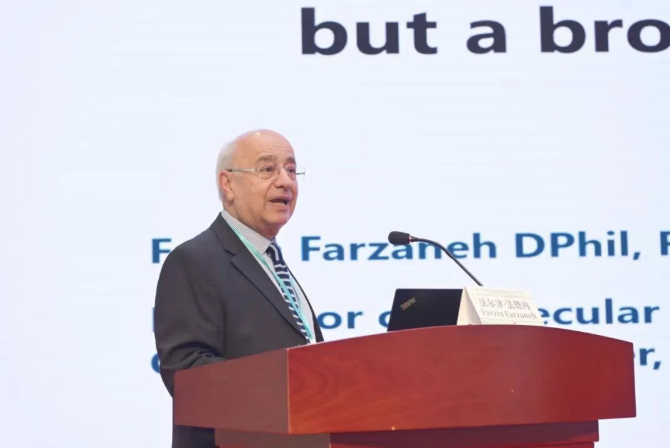
Presentations were given by Prof. Elinor Sawyer (Clinical Oncology and Breast Cancer Genetics), Prof. Farzin Farzaneh (Molecular Medicine) from KCL; Prof.Liu Hong, Director of Department of Breast Cancer II and Prof. Yu Jun, Director of the Pancreatic Cancer Treatment and Prevention Research Center and Clinical Trail GCP Center, TMUCIH. Their report titles were Genomic Features of DCIS and Their Clinical Implications, At the Dawn of A New Era in Cell and Gene Therapy, Clinical Features and Genomic Characteristics of Breast Cancer Cohort in Chinese Young Women, and Breaking the Impasse in Pancreatic Cancer through Translational Research and Cell and Gene Therapy.
Session Three
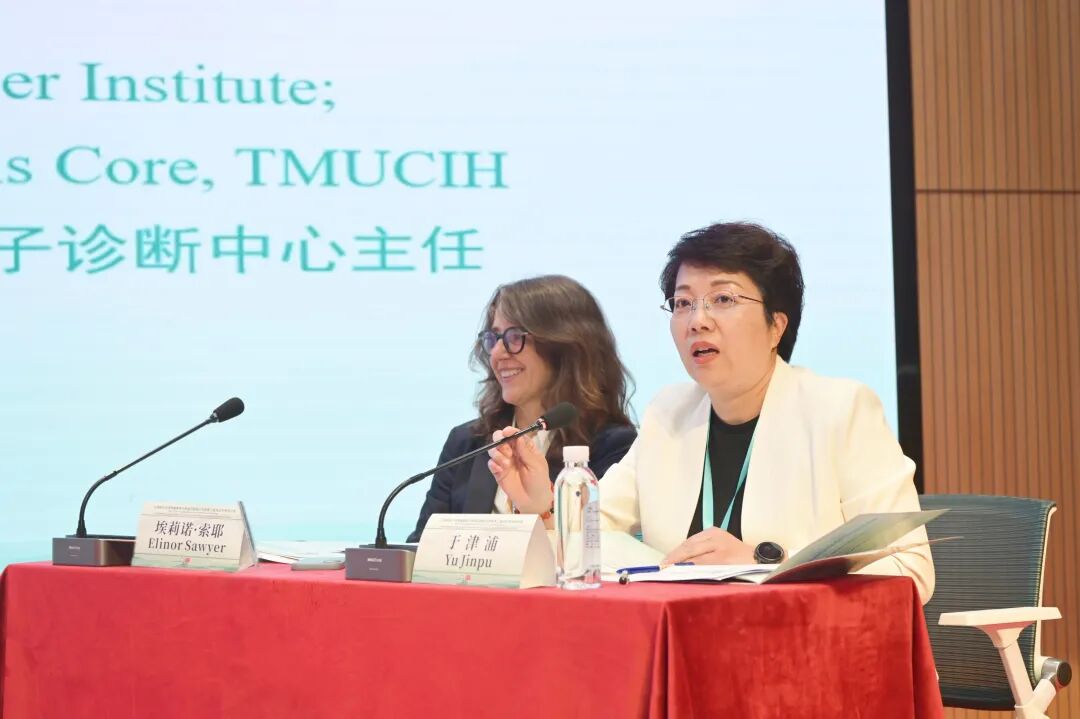
Session Three was co-chaired by Prof. Elinor Sawyer (Clinical Oncology and Breast Cancer Genetics), KCL, and Prof. Yu Jinpu, Deputy Director of Tianjin Cancer Institute and Director of Cancer Molecular Diagnosis Core, TMUCIH.
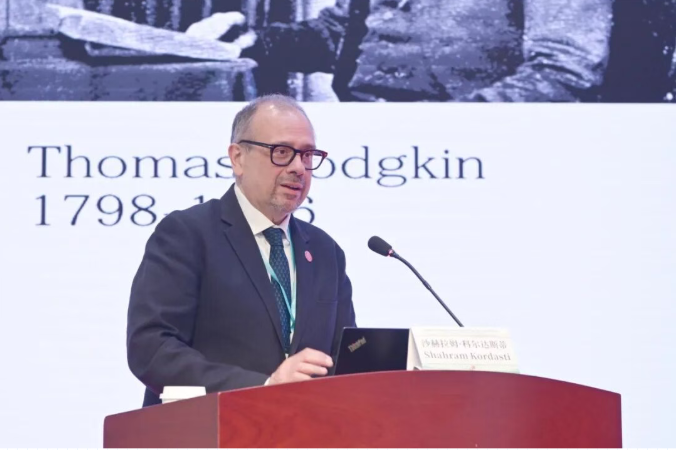
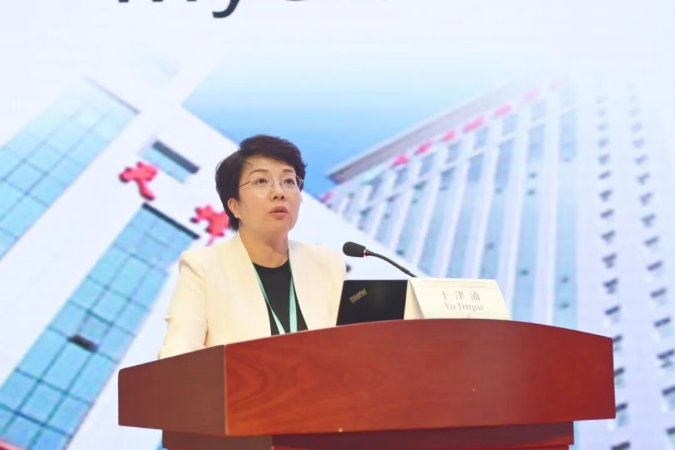
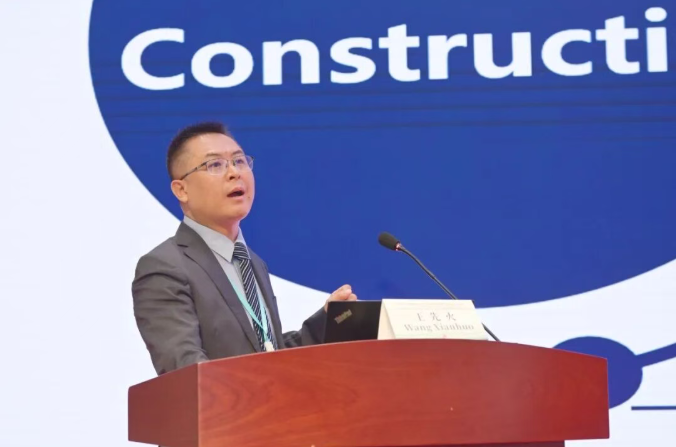
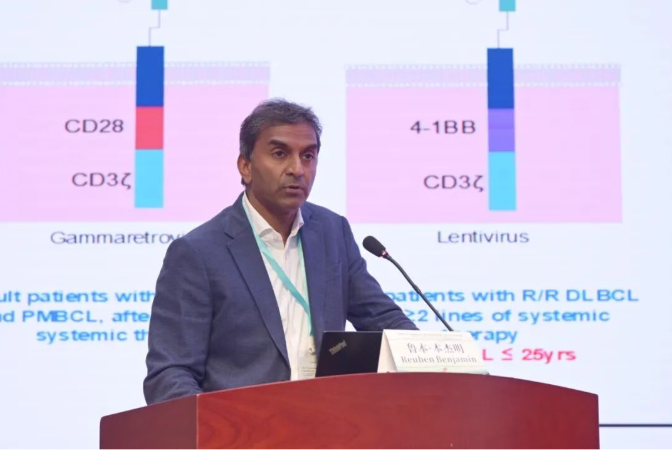
Speakers included Prof. Shahram Kordasti, Research Lead of the School for the School of Cancer and Pharmaceutical Sciences; Prof. Reuben Benjamin, Consultant Haematologist and Senior Clinical Lecturer, KCL; Prof. Yu Jinpu, Deputy Director of Tianjin Cancer Institute and Director of Cancer Molecular Diagnosis Core, TMUCIH; and Prof. Wang Xianhuo, Associate Professor from Lymphoma Medical Oncology, TMUCIH. Their presentation titles were Unlocking the Complexity of Tumor Microenvironment: The Immune Risk in Myelodysplastic Syndromes, The expanding horizons of CAR-T cell therapy, Functional Paradigms and Translational Applications of Myeloid-Derived Cells within Tumor-Immune Crosstalk, and Lymphoma Translational Research at Tianjin Medical University Cancer Institute and Hospital.
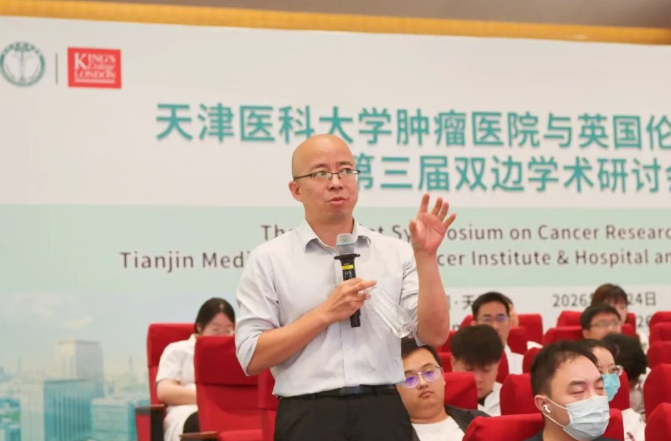
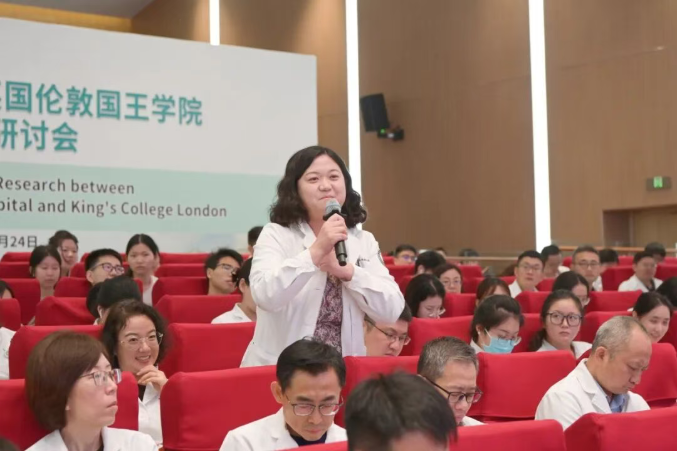
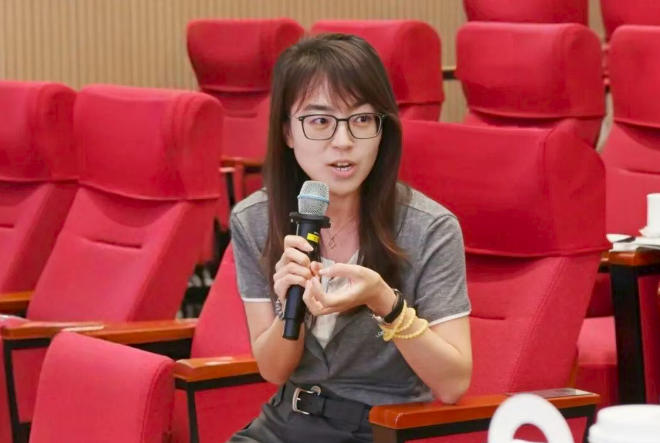
Participating experts and scholars engaged in in‑depth discussions on cutting‑edge advances in tumor diagnostic technologies and clinical trials, and explored key challenges in oncology. Directors, clinicians, and researchers actively exchanged insights in a vibrant academic atmosphere, fostering productive and fruitful dialogue.
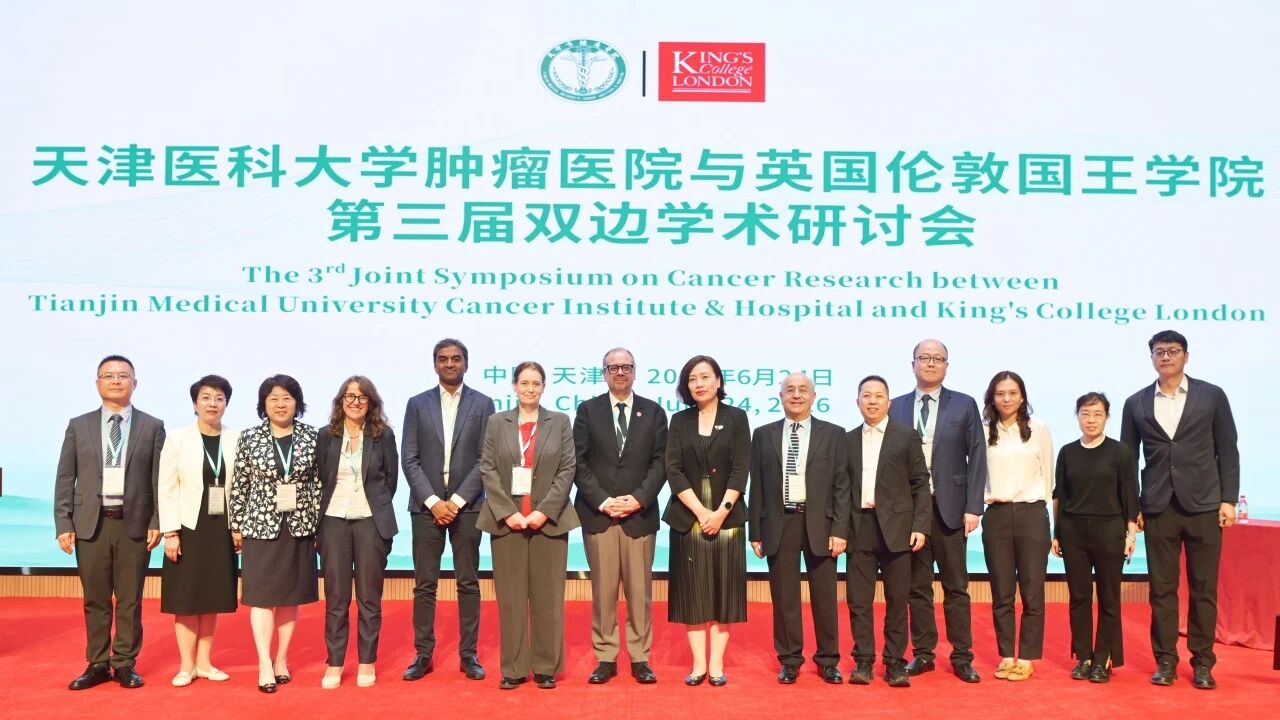
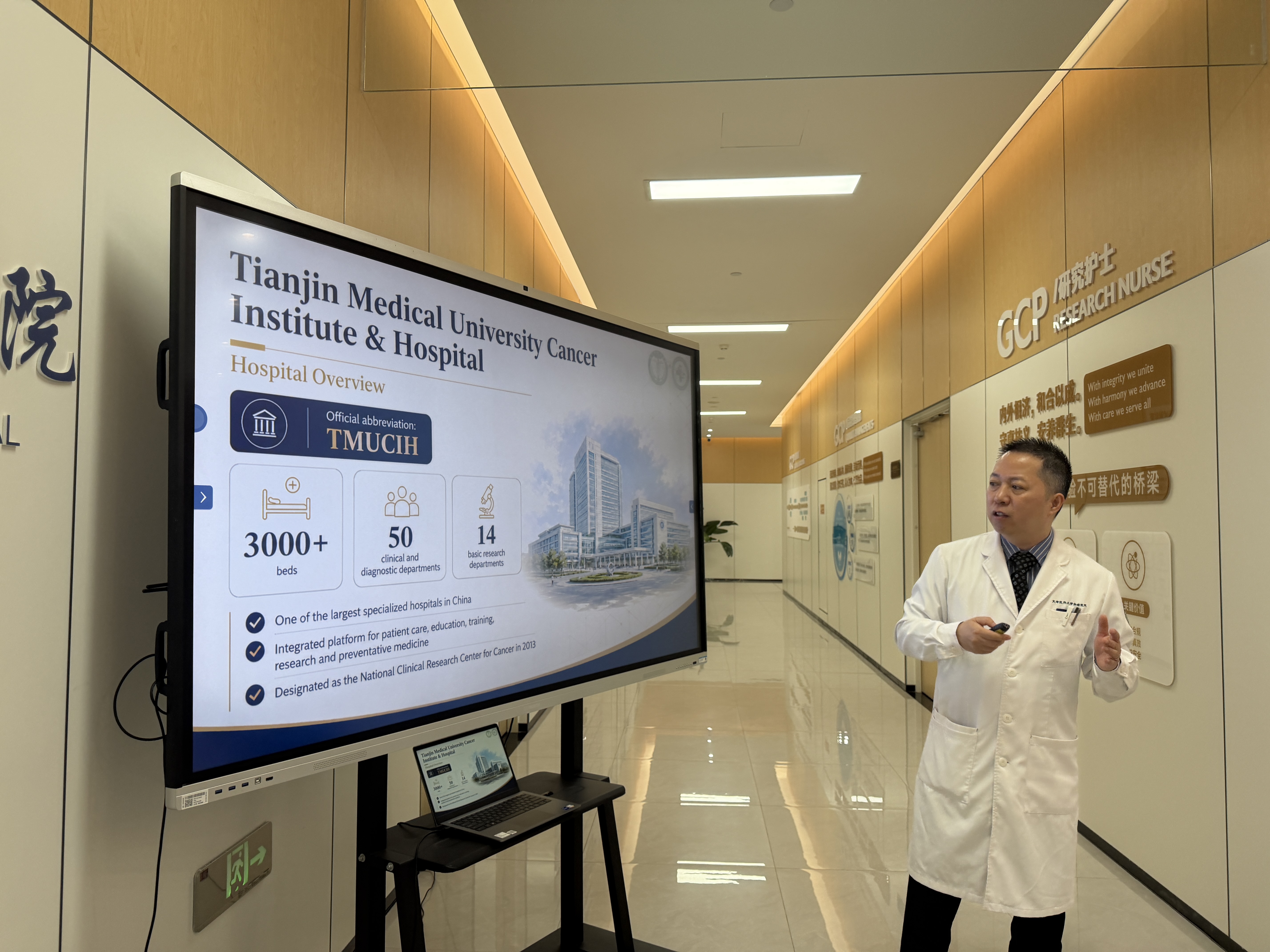
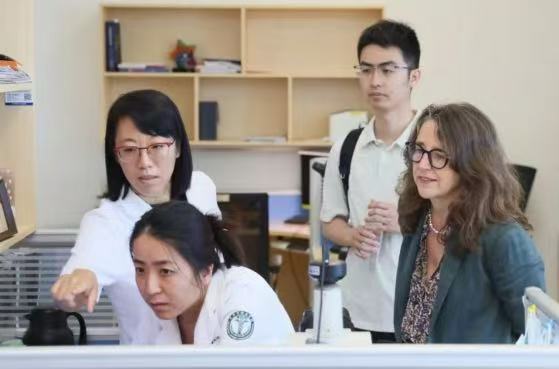
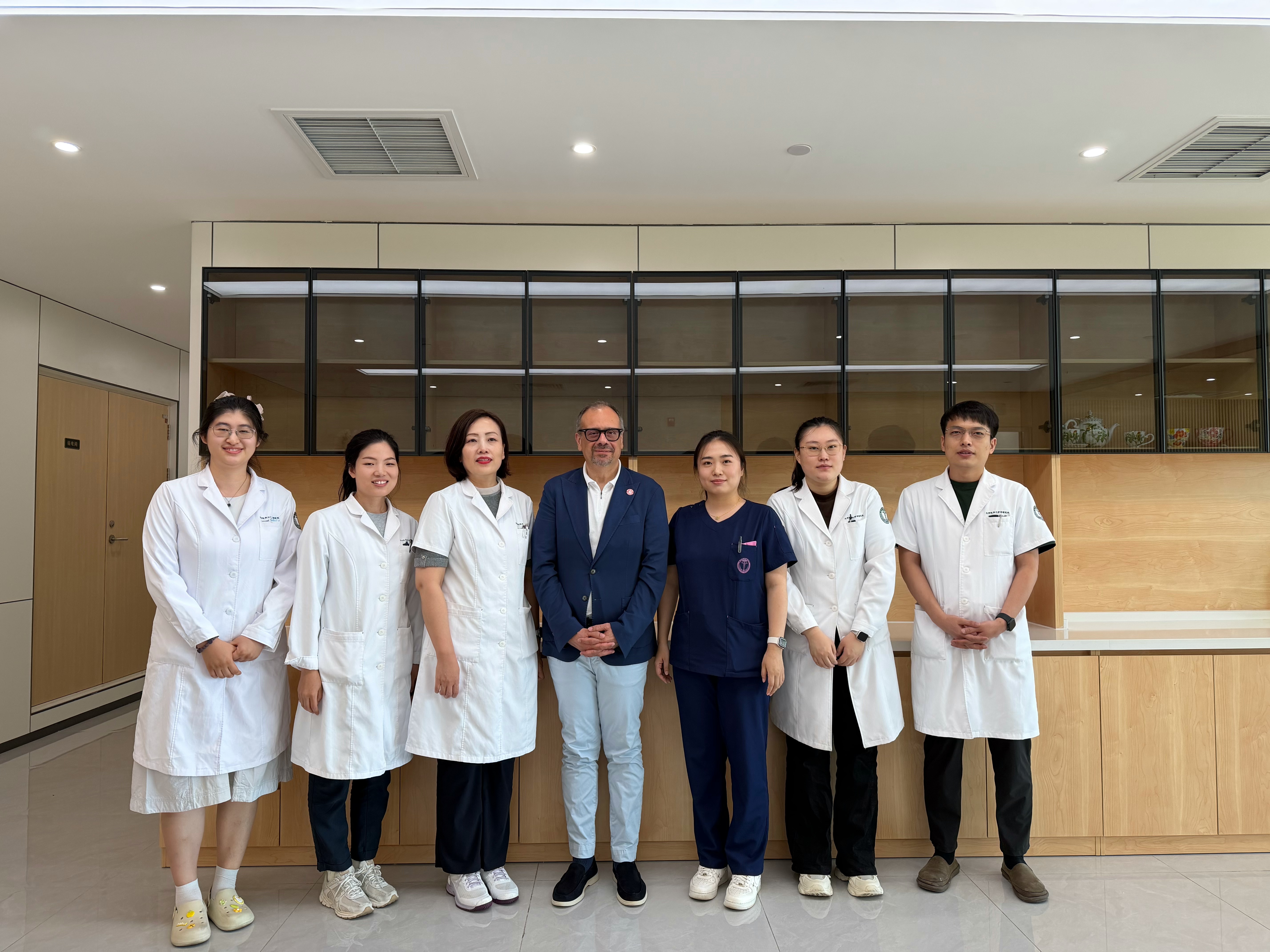
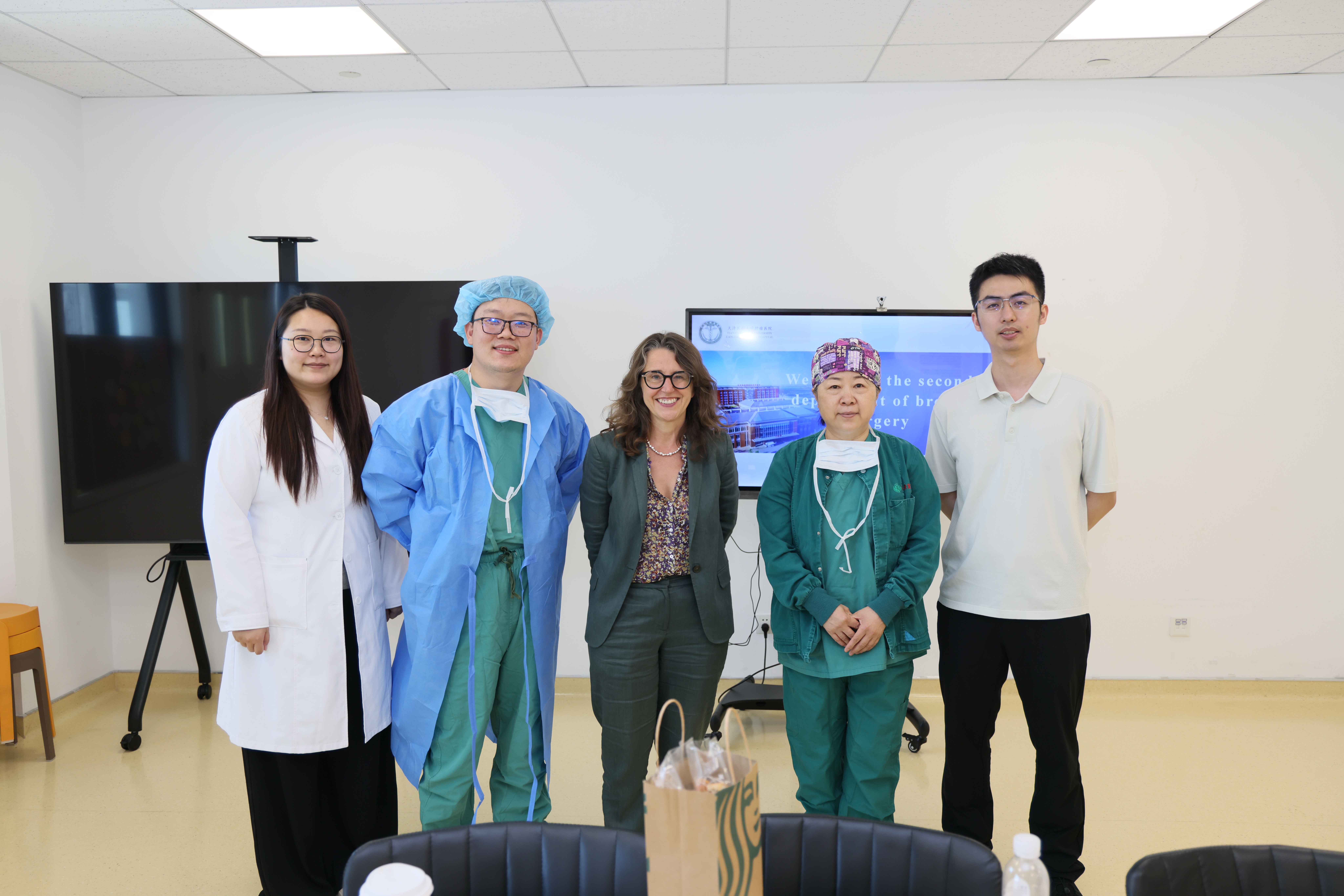
During their visit to TMUCIH, the British delegation toured the Hospital History Gallery, the Cancer Biobank, the Clinical Trial Center, the Clinical Simulation Training Education Center, and several research units, including those focused on Gastrointestinal Cancer Biology, Cancer Cell Biology, Biochemistry & Molecular Biology, and Immuno‑Biotechnology, as well as Binhai Hospital. The specialists held in‑depth discussions with faculty and technical staff, expressed keen interest in the hospital ‘s research priorities and clinical achievements in oncology, and reiterated their commitment to advancing substantive collaboration.
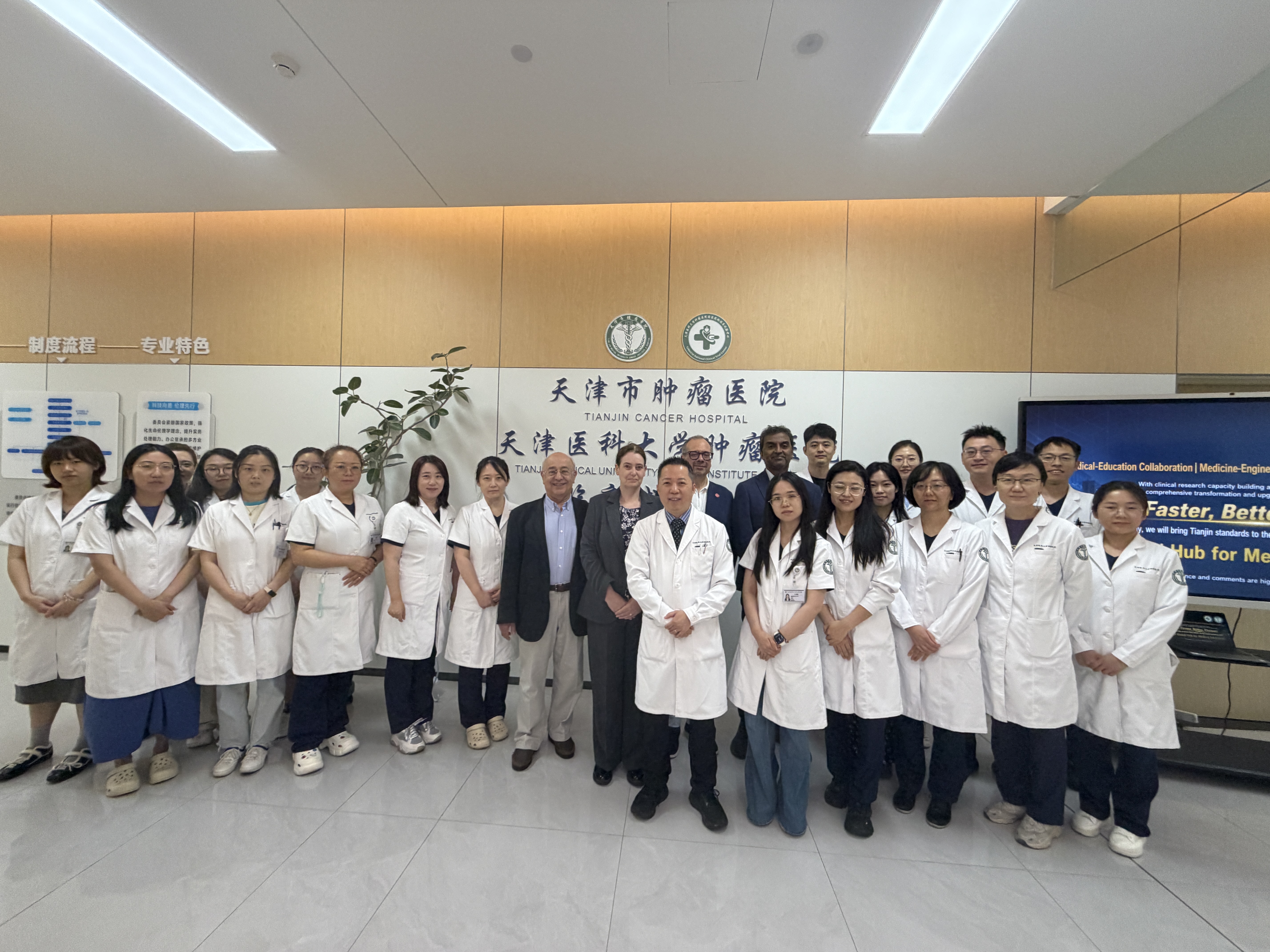
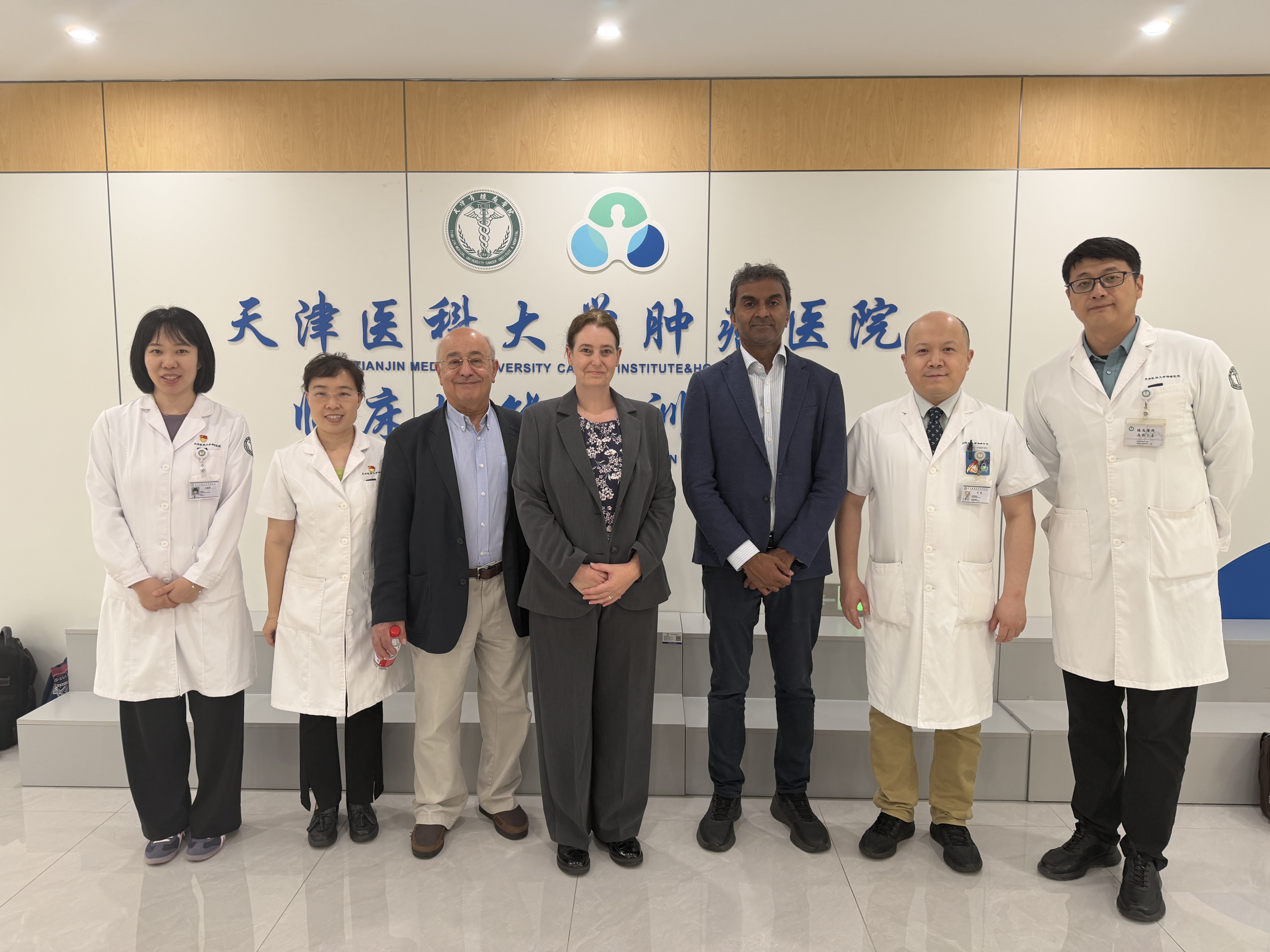
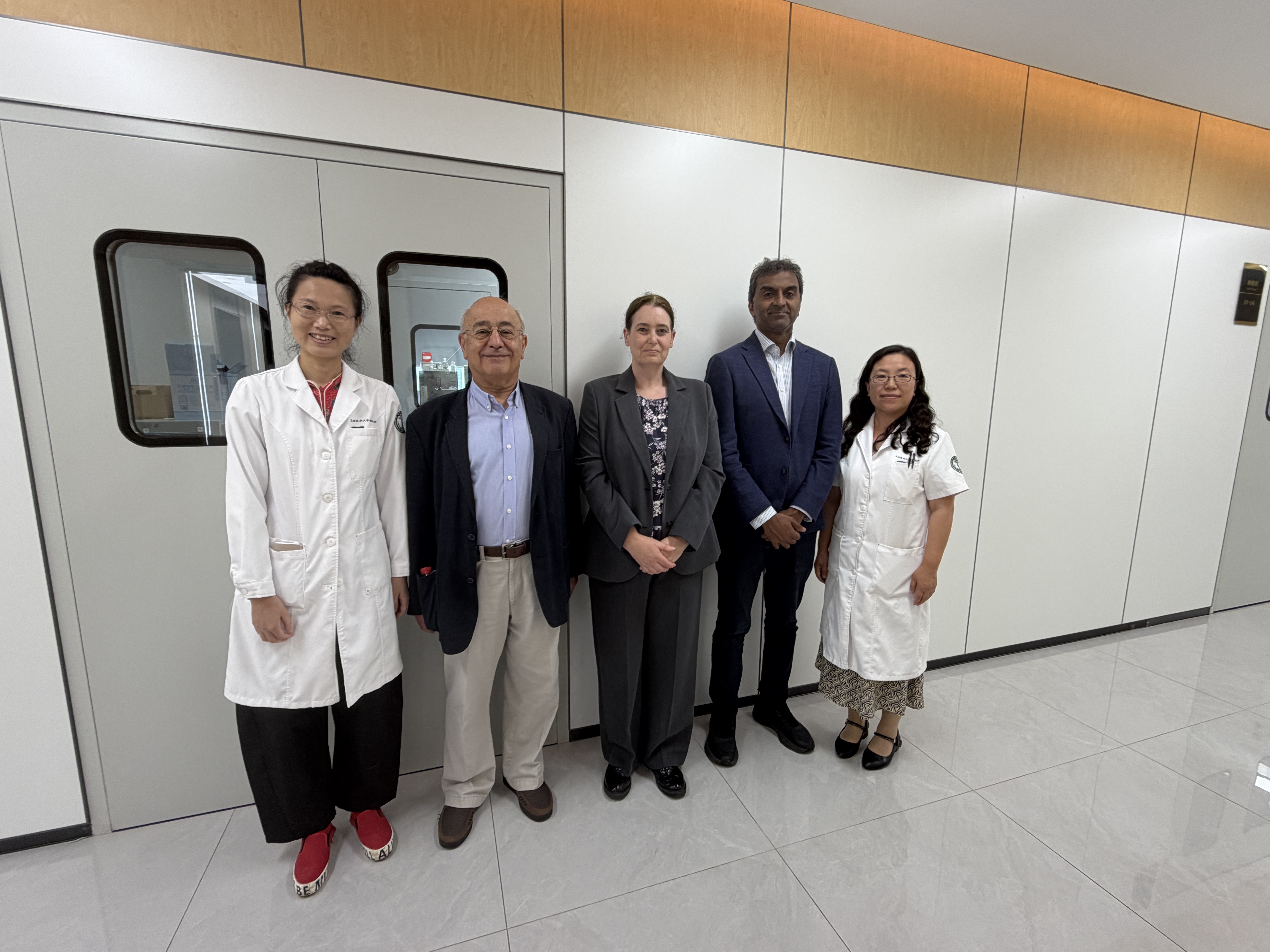
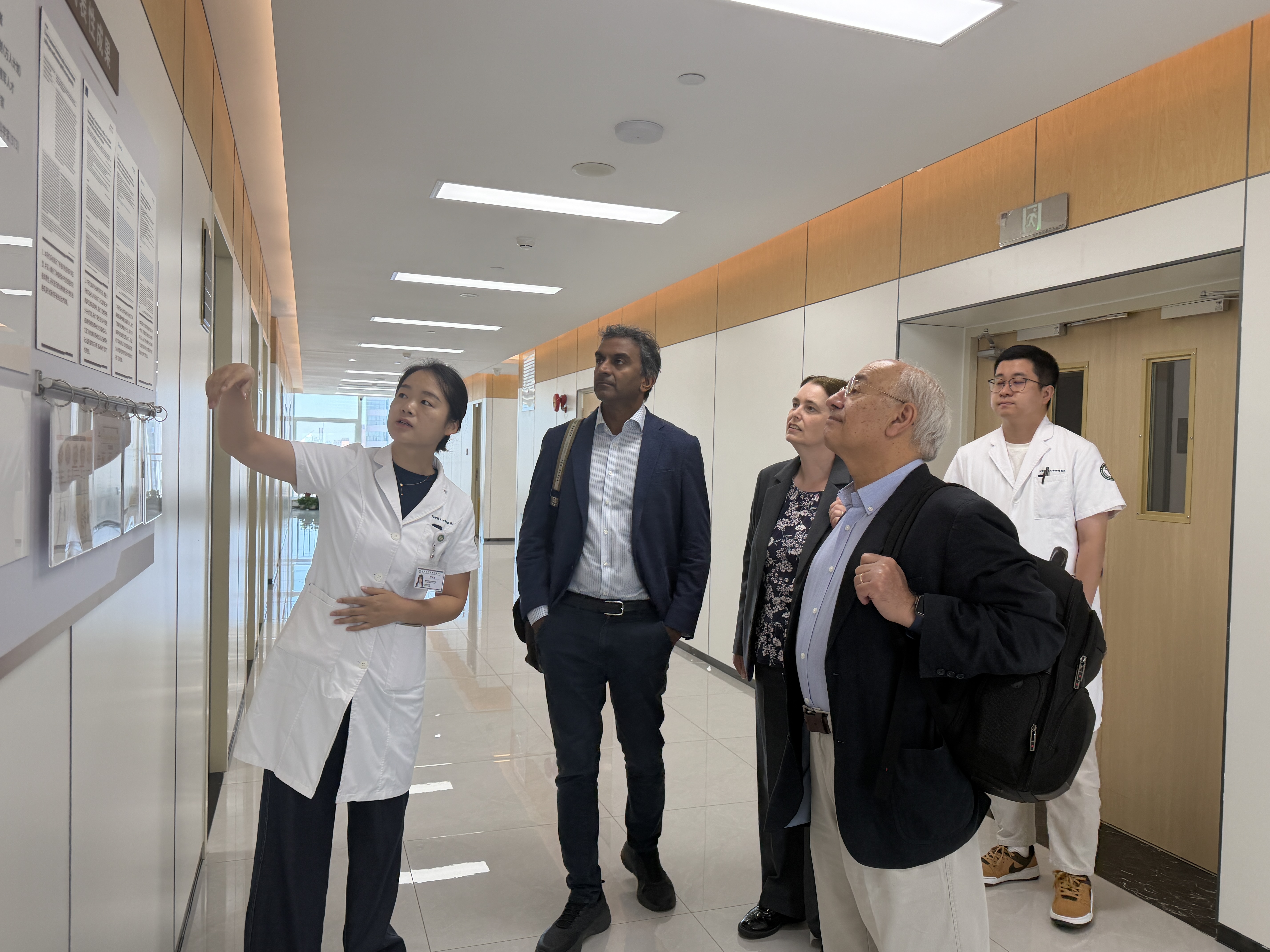
The joint symposium serves as a key platform for academic exchange between TMUCIH and KCL. This year’s symposium has injected fresh momentum into deeper and more tangible cooperation. Both sides will jointly explore new avenues for scientific innovation and talent mobility, expand collaboration across multiple disciplines and diverse dimensions, and strive to deliver more win‑win outcomes.